


Gas pipelines are a fundamental element of infrastructure Gas Industry. Their main task is the transport, distribution, and storage of natural gas – from production fields through transmission stations to end users.
This system ensures continuity of energy supply, transmission security and minimal losses of raw materials.
Steel materials used in the construction of gas pipelines must meet strict requirements regarding mechanical strength, weldability, resistance to corrosion and low temperatures. The most commonly used are low-alloy carbon steels and — in more difficult conditions — alloy and stainless steels.
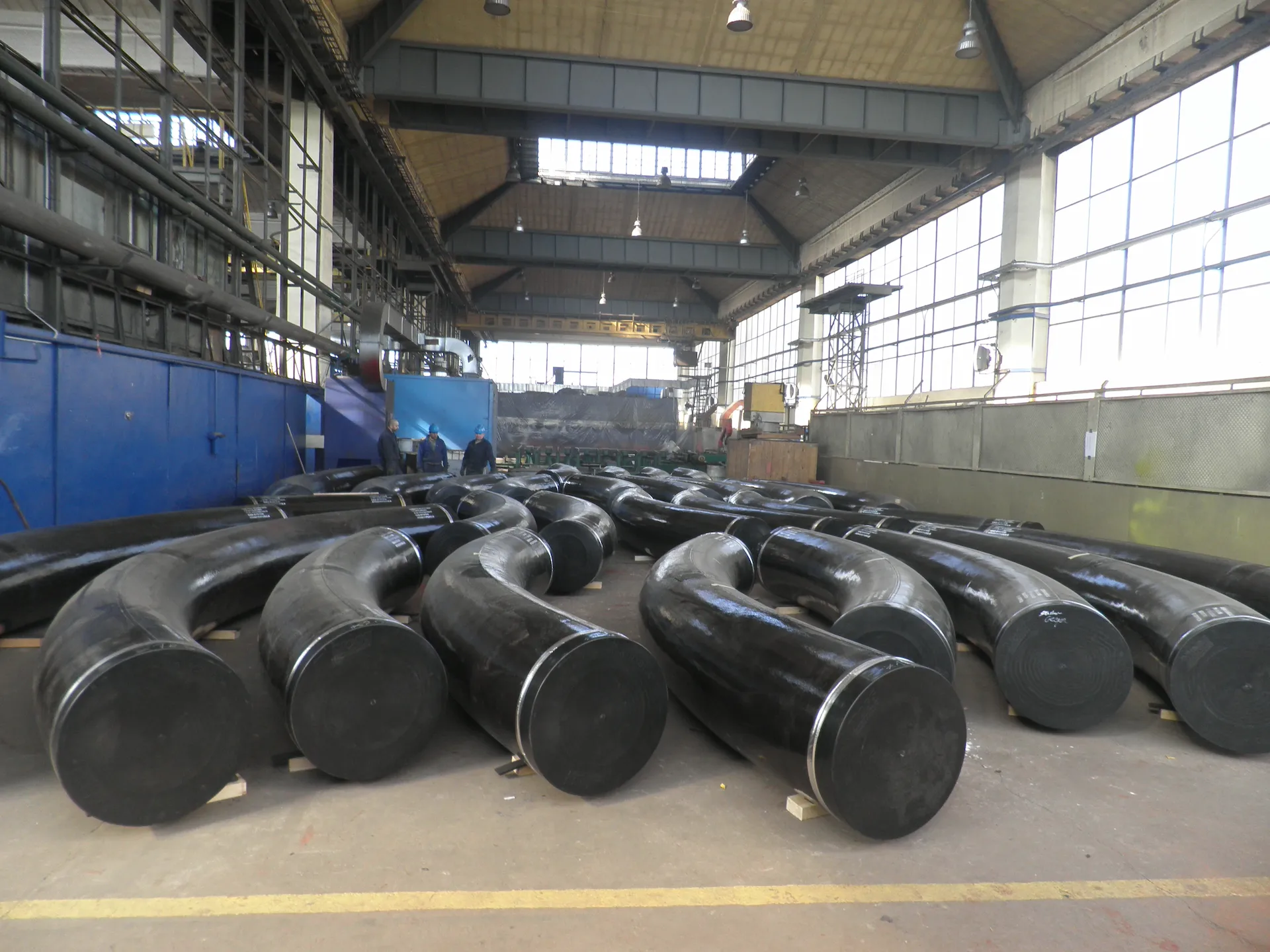
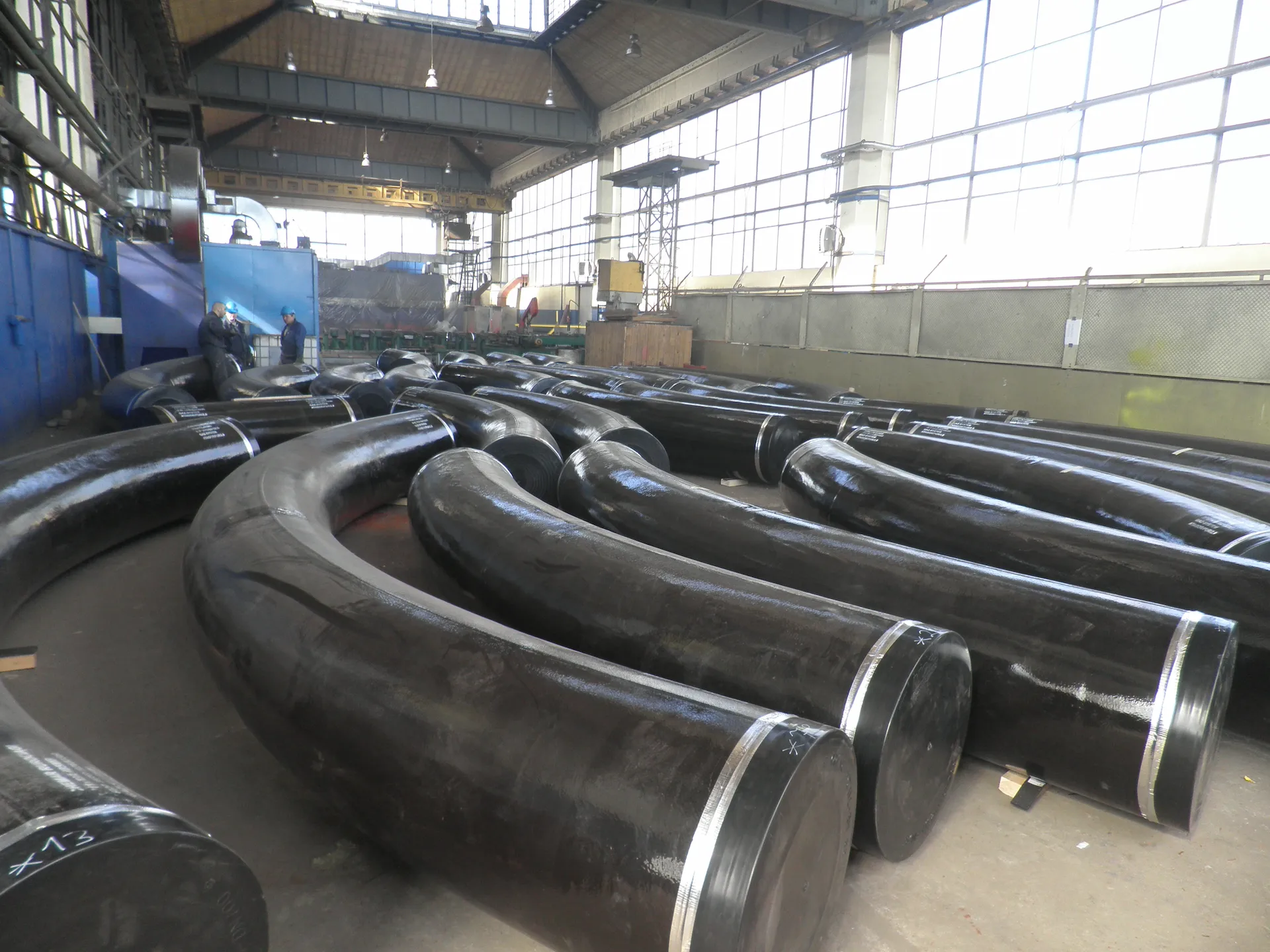
The main materials used in the production of gas pipelines by Chemar Rurociągi Sp. z o.o. this:
according to EN 10208-2 / ISO 3183: classes L360NB, L415NB, L485MB
To increase the durability of steel gas pipelines in Chemar Rurociągi Sp. z o.o. the following security measures are mainly used:
polyethylene insulating coatings
polyurethane insulating coatings
epoxy painting
All induction arcs used in Gas Industry, produced in Chemar Rurociągi Sp. z o.o. are according to standards ISO 15590-1, which defines specifications for induction arcs in the oil and gas industry, emphasizing seamless and welded pipe applications. Similarly EN 14870-1 standard, its European counterpart, complies with ISO standards while also addressing specific regional requirements, ensuring that induction arcs meet the stringent demands of modern pipeline infrastructure. Together, these standards ensure that induction arcs are manufactured to withstand the mechanical and environmental stresses they are exposed to, guaranteeing long-term performance and safety in critical industrial applications.
ISO 15590-1 standard Oil and gas industries - Induction arcs, fittings and flanges - Part 1: Induction arcs
PN-EN 14870-1 Petroleum and gas industries - Induction bends, fittings and flanges for pipeline transportation systems - Part 1: Induction bends