


Penetrant Testing (PT) is one of the key non-destructive testing methods used to detect surface discontinuities in metallic and non-metallic materials. The method is exceptionally sensitive, allowing the detection of microscopic cracks, porosity, and other imperfections that are invisible to the naked eye.
PT tests are used for both welded joints, What forgings and castings, where high accuracy of surface control is essential to ensure the safety and quality of components.
Where and when is penetration testing (PT) performed?
PT tests are performed wherever the detection of very small surface discontinuities is required:

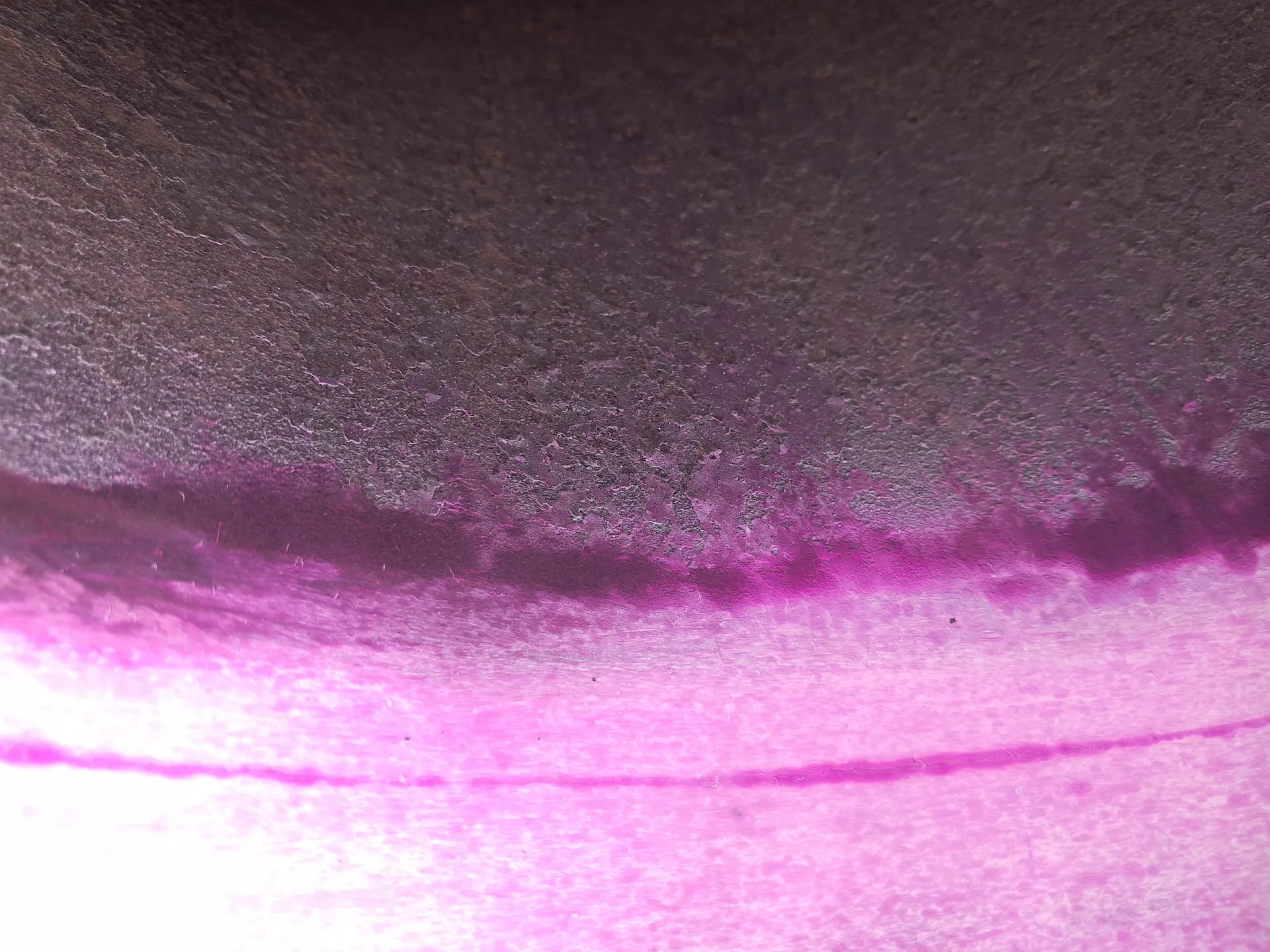
1. Welded joints:

butt and fillet welds,
heat affected zones (HAZ),
welds after mechanical or thermal treatment,
elements operating under fatigue loads.
2. Forgings:
surfaces after die forging,
elements exposed to fatigue cracking,
inspection after heat treatment or milling.
3. Castings:
steel and iron castings,
areas exposed to shrinkage cavities, porosity and cracks,
inspection of elements with complex shapes.
4. During production, after processing and during operation
final acceptance,
inter-operational controls,
operational inspections in case of suspected damage.
Types of penetration testing
1. Color Penetrant Testing (Red and White)
Most commonly used in production, fast and inexpensive.
They allow the detection of most surface defects.
2. Fluorescent Penetrant Testing
Performed using UV light.
They are more sensitive and are used when testing highly loaded components or those requiring the highest accuracy.
What does penetration testing look like?
The PT process consists of several precisely defined stages:
- Surface cleaning
Removal of grease, dirt, rust and paint – the surface must be clean. - Penetrant application
Application of a colored or fluorescent liquid with high penetration capacity into discontinuities. - Penetration time
The penetrant penetrates microcracks and pores. - Removing excess penetrant
Gently cleaning excess penetrant from the material surface. - Developer application
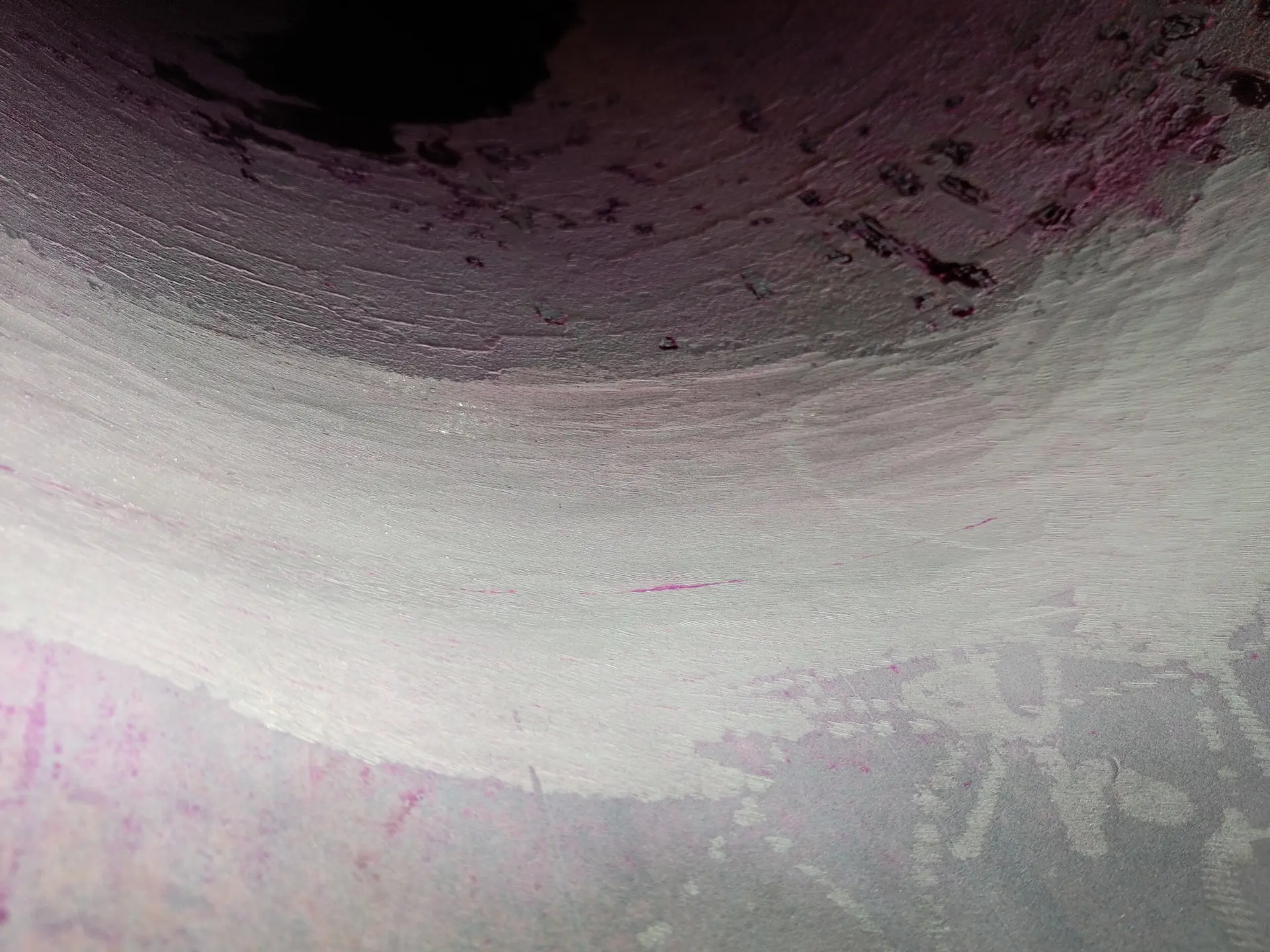
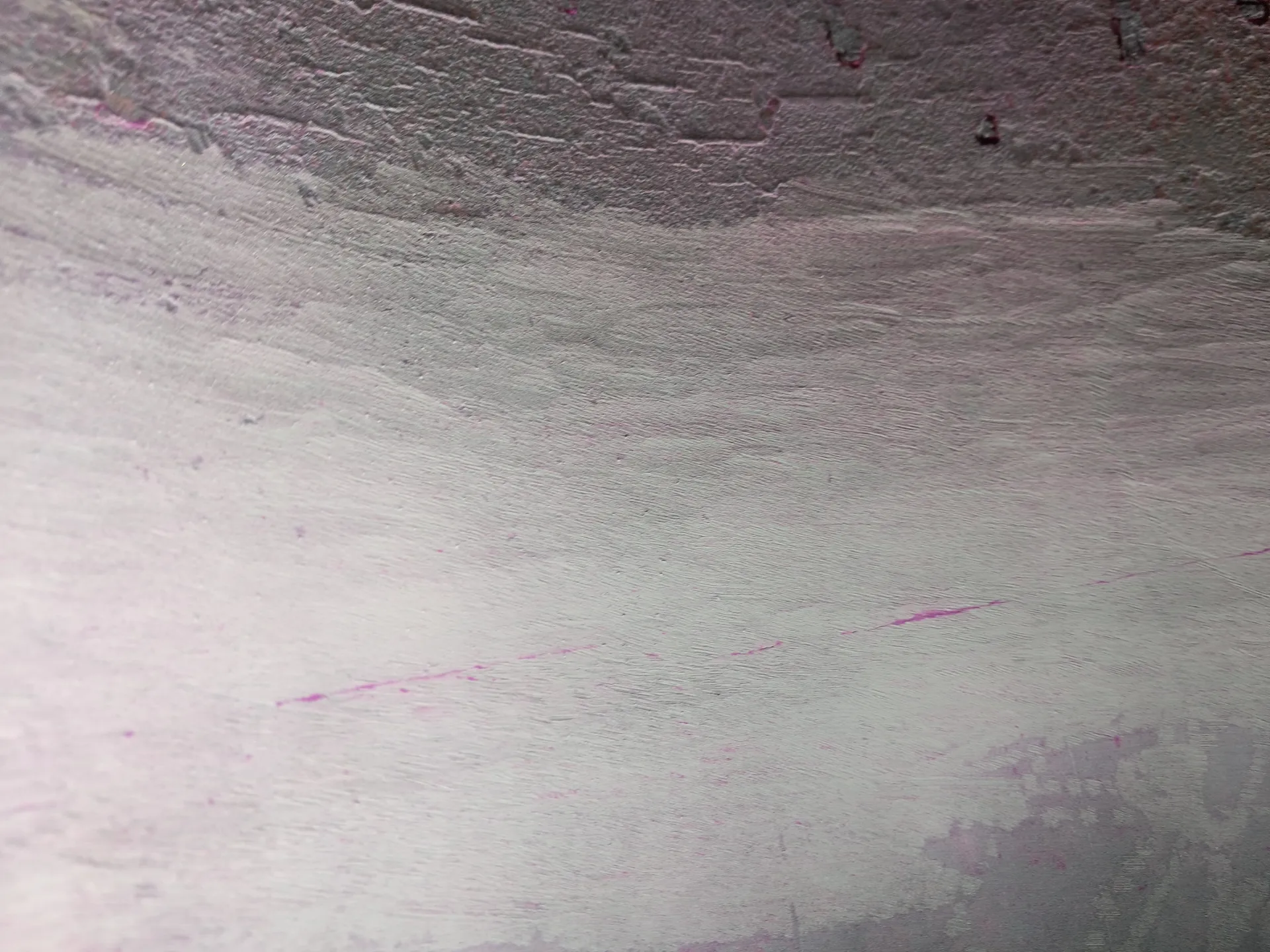
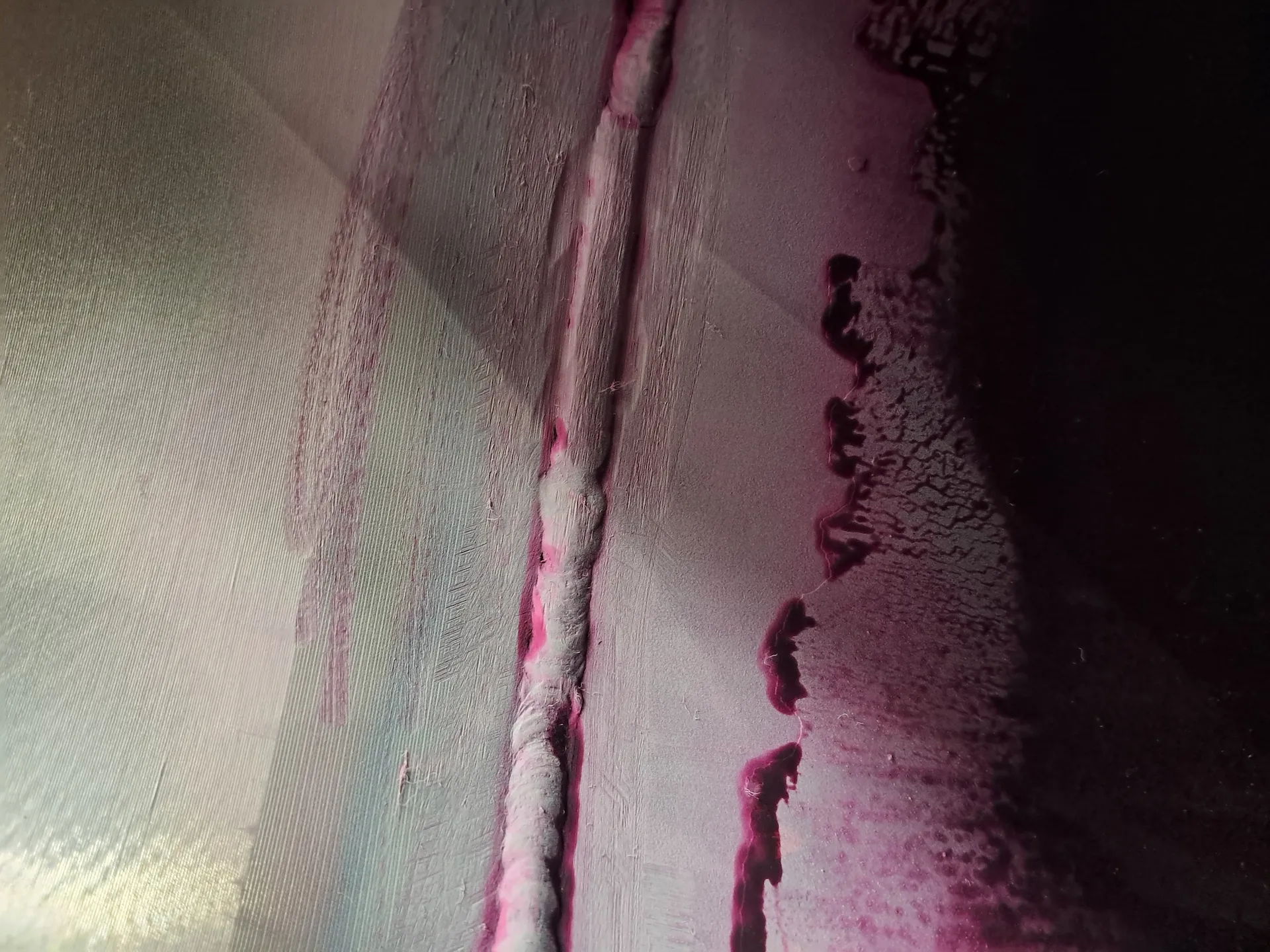
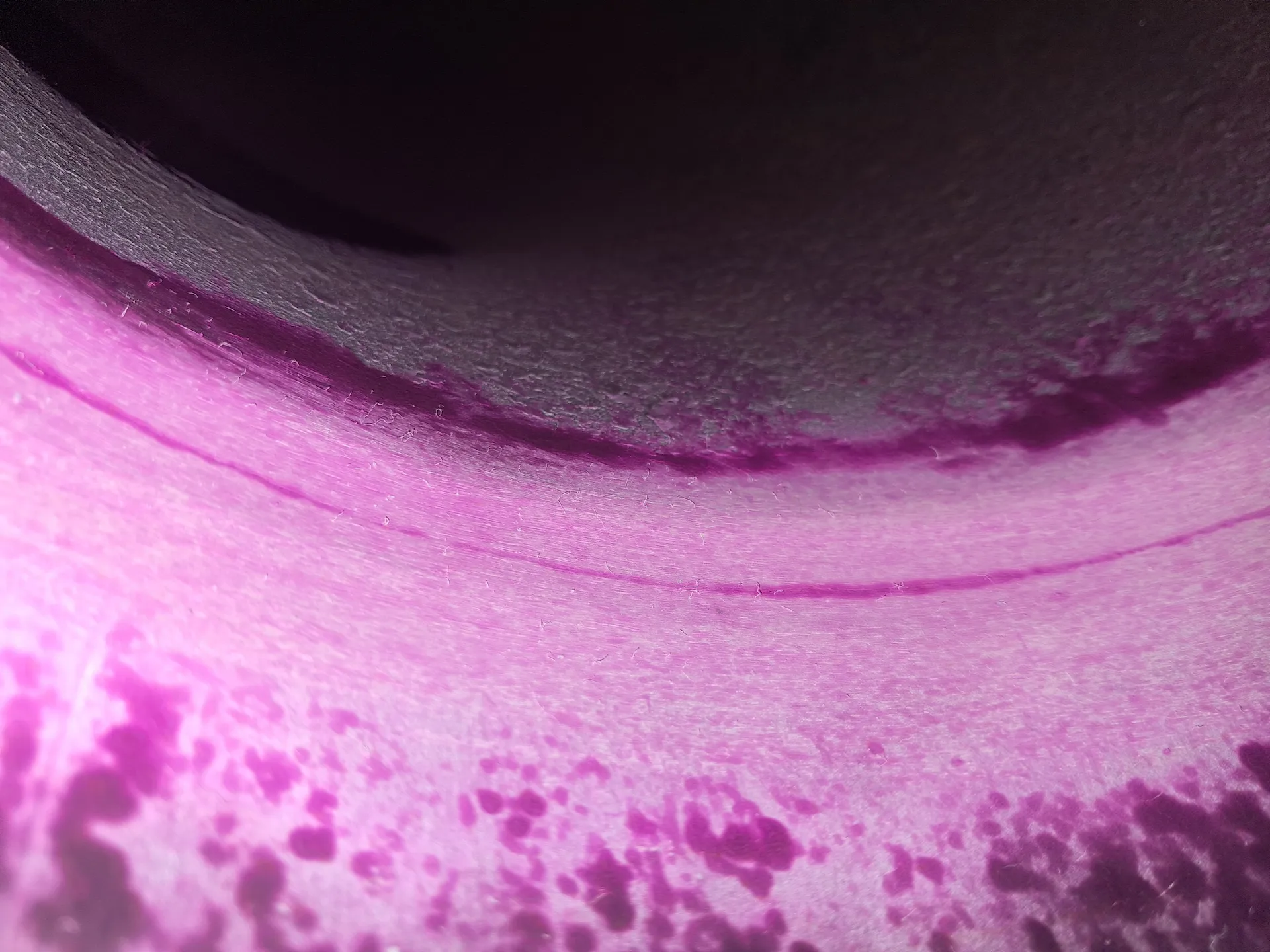
The developer pulls the penetrant out of the discontinuity, creating a visible tracer. - Inspection and assessment
Surface inspection under white light or UV (for fluorescent penetrants).
Defect indicators are visible as red spots/streaks or green fluorescent signals. - Documentation of results
Test protocol, photos of indications, assessment of compliance with the standard.
What can penetration testing detect?
PT allows detection of all discontinuities open to the surface, including:
microcracks (hot, cold, fatigue, stress),
surface pores and cavities,
shrinkage discontinuities in castings,
delaminations and entanglements,
false penetration in welds,
leaks, micro-cracks,
operational damage.
PT tests are one of the most sensitive methods of detection the smallest surface discontinuities.
Penetrant Testing (PT) Standards
Penetrant testing is carried out in accordance with the requirements of the following standards:
PN-EN ISO 3452-1 – general principles of penetration testing
PN-EN ISO 3452-2 to 3452-6 – detailed requirements for equipment, materials, and techniques
PN-EN ISO 23277 – Penetration Testing – Acceptance Levels
PN-EN ISO 23277 – Penetration Testing – Acceptance Levels
PN-EN ISO 9712 – qualification and certification of NDT personnel (including PT)