


Magnetic particle testing (MT) is one of the most effective non-destructive testing methods used to detect surface and subsurface discontinuities in ferromagnetic materials. This method allows for the precise detection of cracks, inclusions, and other defects that disrupt the local magnetic field of the tested element.
MT is particularly appreciated in the inspection of welded joints, forgings, castings and wherever high sensitivity in crack detection is required.
Where and when are magnetic particle tests performed?
MT testing is mainly performed on components made of materials ferromagnetic (steel, cast iron), wherever quick and effective defect detection is needed.
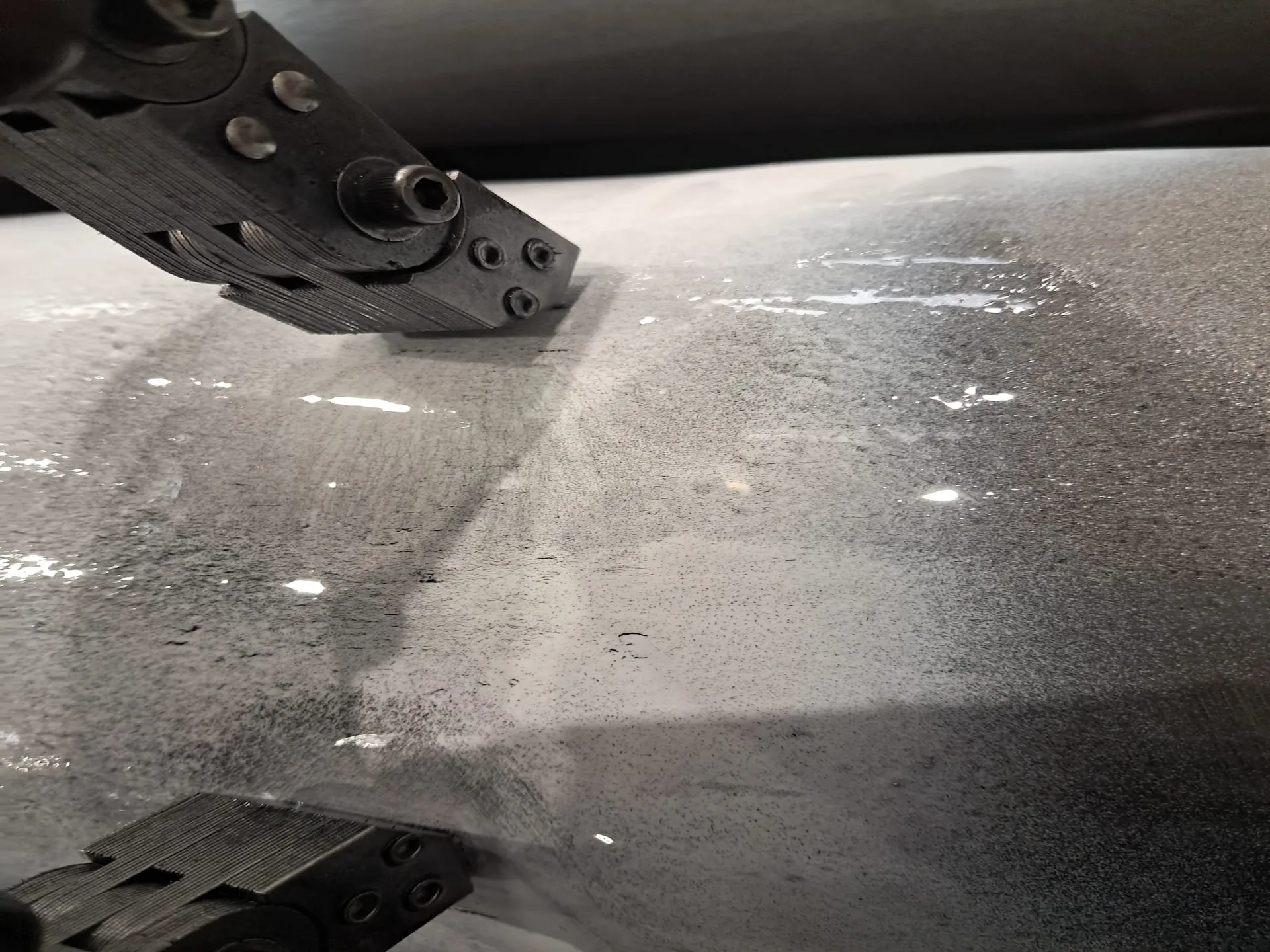
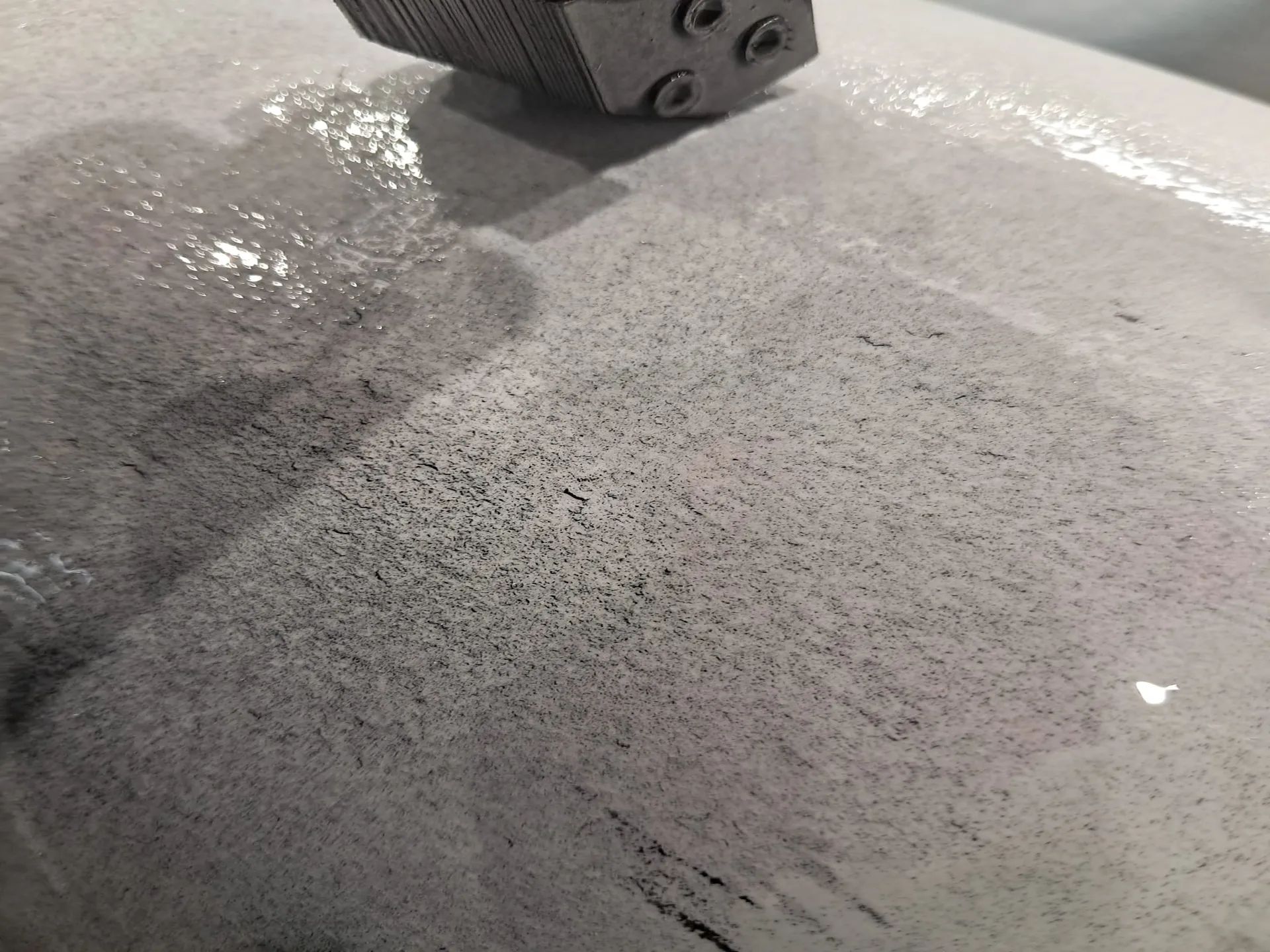
1. Welded joints:

weld inspection,
crack detection in the heat affected zone (HAZ).
2. Forgings:
detection of cracks formed during forging or heat treatment,
control of elements exposed to high loads and material fatigue.
3. Castings:
identification of defects such as cracks, shrinkage cavities open to the surface, structural inconsistencies.
4. In production, service and operation
technical acceptance of the structure,
inspection of tools, machine parts, axles, shafts, gears,
operational diagnostics in the energy, railway, petrochemical and aviation industries.
Types of magnetic particle testing
1. Powder method (dry)
It involves the use of dry ferromagnetic powders, often in contrasting colors.
It is suitable for field inspections, for large elements or irregularly shaped surfaces.
2. Wet method
Magnetic powders suspended in a liquid (water/oil).
Provides the highest sensitivity and uniform surface coverage – ideal for precision inspection.
3. Techniques using different magnetic field sources
alternating current (AC) magnetization
direct current (DC) magnetization
How does magnetic particle testing (MT) work?
- Surface preparation
Removal of rust, grease, paint and dirt. - Magnetization of the element
Introducing an element into a magnetic field using a yoke, coils, cable or table system. - Application of powder or suspension
Application of dry powder or solution of ferromagnetic particles. - Observation of indications
The particles accumulate at the discontinuities, creating clear indications visible under white or UV light. - Demagnetization
After testing, the element is demagnetized so as not to interfere with its further use. - Assessment and documentation
Preparation of an MT report, often supplemented with photographs of discontinuities.
What can magnetic particle testing detect?
MT testing is exceptionally effective in detecting:
surface and subsurface cracks,
fatigue, stress and grinding cracks,
material incompatibilities,
welding discontinuities (lack of fusion, sticking, undercutting),
casting defects (cracks, cavities, delamination),
forging defects (forging, tearing),
operational damage.
This method is characterized by very high sensitivity in detecting cracks, even those with microscopic opening.
Magnetic particle testing (MT) standards
MT tests are performed in accordance with the following standards:
PN-EN ISO 17638 – magnetic particle testing of welded joints
PN-EN ISO 23278 – Magnetic particle testing – Acceptance levels
PN-EN ISO 9934-1 – general principles of magnetic particle testing
PN-EN ISO 9712 – qualification and certification of NDT personnel