


Visual testing (VT) is the basic and most commonly used non-destructive testing method for assessing the quality of welded joints, forgings, castings, etc., without interfering with their structure. It allows for quick and effective determination of whether manufactured components meet technical requirements and are suitable for further use or processing.
Where and when are visual examinations performed?
VT tests are used at virtually every stage of component production, and the most frequently performed visual test is the testing of welded joints:
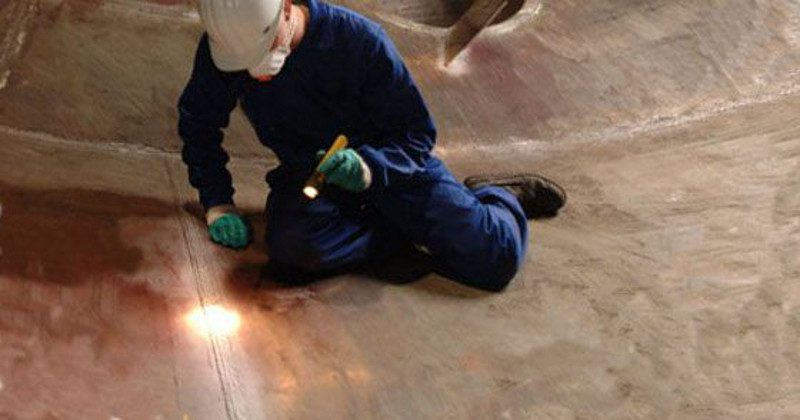

1. Before welding

evaluation of edges prepared for welding,
checking the cleanliness of the surface,
verification of the correctness of groove preparation.
2. During the welding process
control after individual runs,
identification of possible inconsistencies before subsequent weld layers are created.
3. After welding (final inspection)
assessment of the quality and appearance of the finished weld,
verification of compliance with technical documentation, standards and recipient requirements.
4. During operation
periodic inspections of the structure,
inspection of places exposed to cracks, corrosion or overload,
inspections of components in industrial, energy, construction and transport installations.
Types of visual research
VT tests are divided into:
1. Direct visual examination
Performed with the naked eye or using simple tools (magnifying glass, straightedge, welding gauge). Used when the surface being inspected is easily visible and accessible.
2. Indirect visual testing
They require the use of optical equipment such as:
endoscopes,
borescopes,
inspection cameras,
inspection mirrors.
Used in hard-to-reach places or for large structures.
What can visual testing (VT) detect?
Visual examination allows for the detection of most surface inconsistencies, such as:
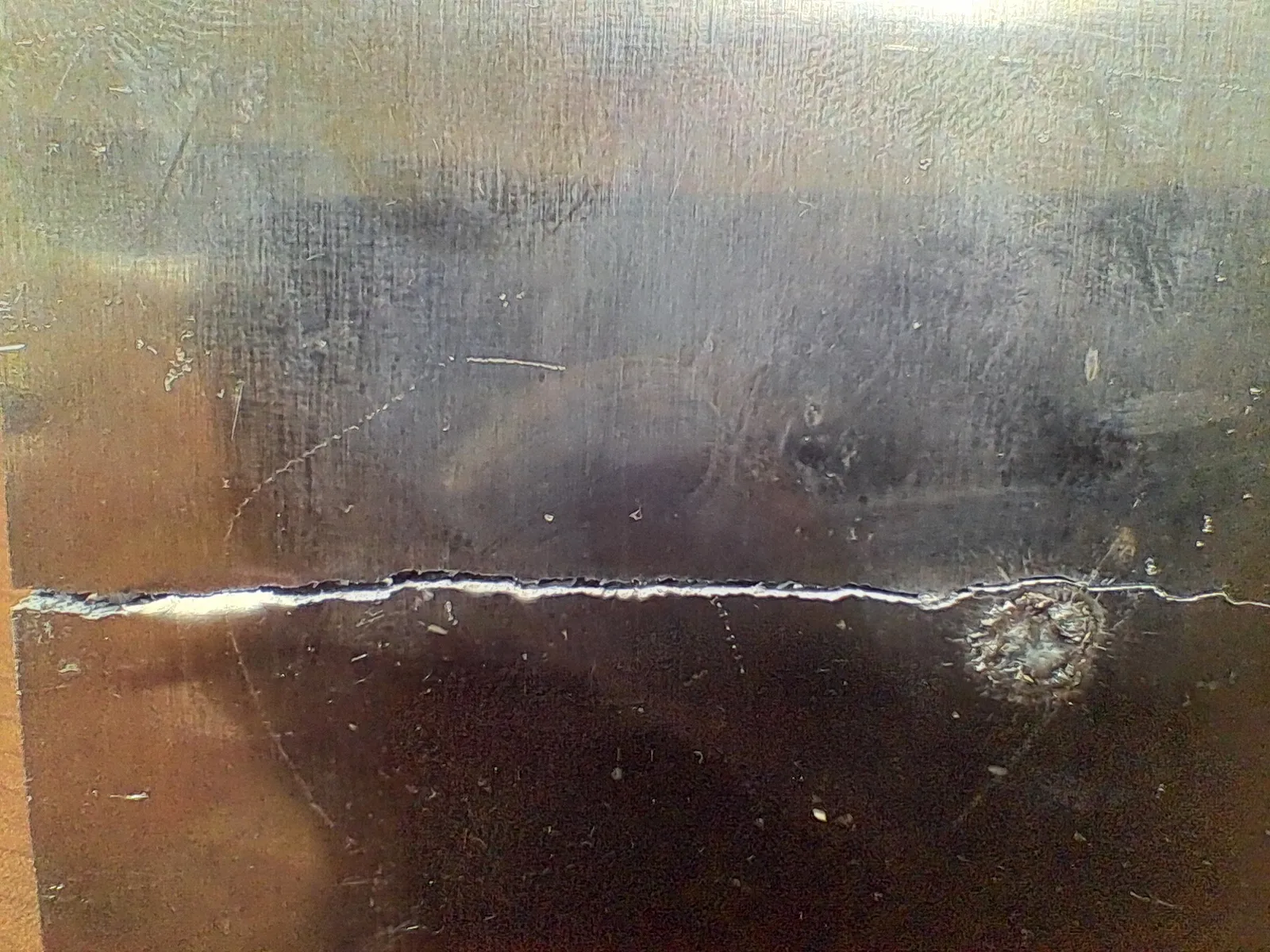
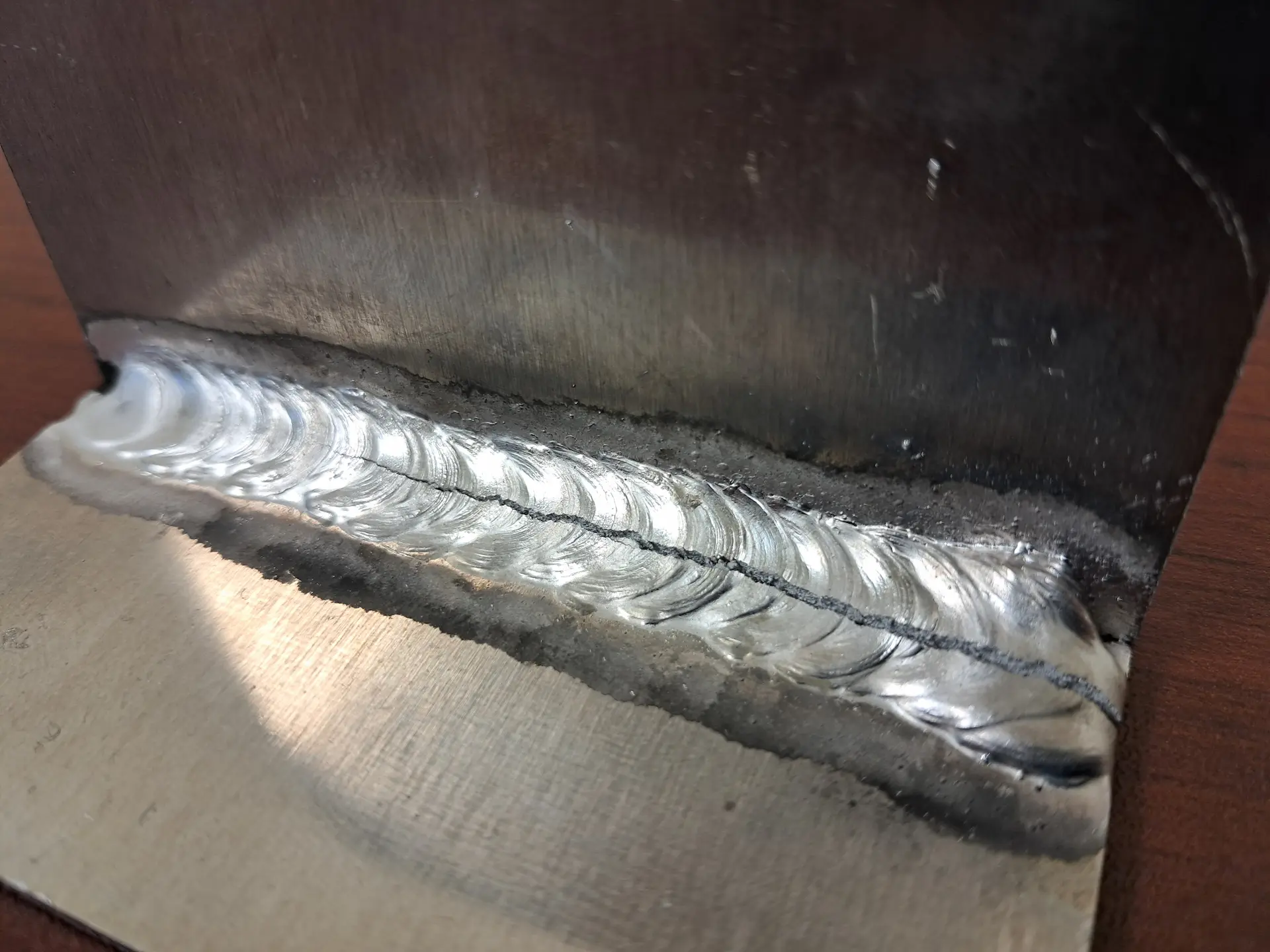
hot and cold cracks,
lack of fusion visible on the surface,
surface porosity,
risers and undercuts,
excessive or insufficient joint width,
corrosion pits,
deformations and distortions,
incorrect face or ridge geometry,
lack of weld continuity,
various operational damages (fatigue cracks, corrosion, losses).
Standards for visual testing
VT tests are performed in accordance with the requirements of the following standards:
PN-EN ISO 17637 – visual inspection of welded joints
PN-EN ISO 5817 – Quality levels for welding imperfections
PN-EN ISO 9712 – Qualification and certification of non-destructive testing personnel
EN 13018 – Visual Research – General Principles
Industry standards (e.g. energy, petrochemicals, construction)